Emily Parke, DO, is board certified in anesthesiology and pediatric anesthesiology, trained in medical acupuncture, and specializes in Functional Medicine.
What if there was a way to improve digestion, manage stress better, improve heart health, and boost your immune system? You’d be interested, right? That’s what stimulating the vagus nerve could help with. The vagus nerve, often called the body’s communication superhighway, is an important part of the autonomic nervous system. It’s the longest cranial…
Fructose, found naturally in fruits and added to processed foods as high fructose corn syrup, impacts health. Learn the metabolic effects of fructose intake.
Of all the vitamins and minerals you should be sure you’re getting enough of, vitamin D is perhaps one of the most important. The benefits of vitamin D are widespread and pretty incredible.
Different amounts of protein are needed at different stages of life. Learn about protein, how much you need, and what happens when you don’t get enough.
Learn about the mineral magnesium, its role in the body, how to spot magnesium deficiency, and the most bioavailable forms of magnesium to supplement with.
Sleep is essential for our health, allowing our bodies to rest and rejuvenate. But what happens when your sleep is constantly interrupted by a condition known as sleep apnea? Sleep apnea involves repeated episodes of shallow or paused breathing during sleep, disrupting your rest and leading to a myriad of health problems. But sleep apnea…
Estrogen metabolism is vital to estrogen regulation. Learn how it works and how the DUTCH test can provide insight into hormonal imbalance.
Learn the difference between the paleo and the autoimmune paleo diet, including food lists, what foods to avoid, and all the health benefits!
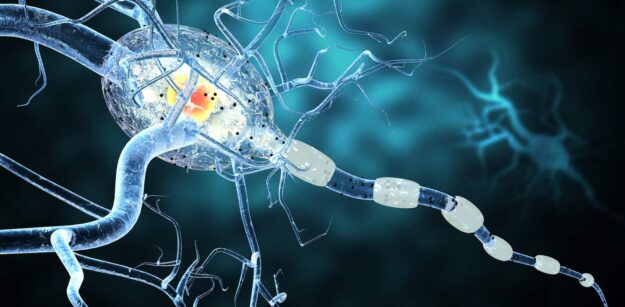
Get a complete view of multiple sclerosis, including common symptoms and treatment options, including nutrition and supplementation.
Learn about functional medicine headache treatment, various headache types, and how to achieve lasting relief with complementary approaches.